



Introduction
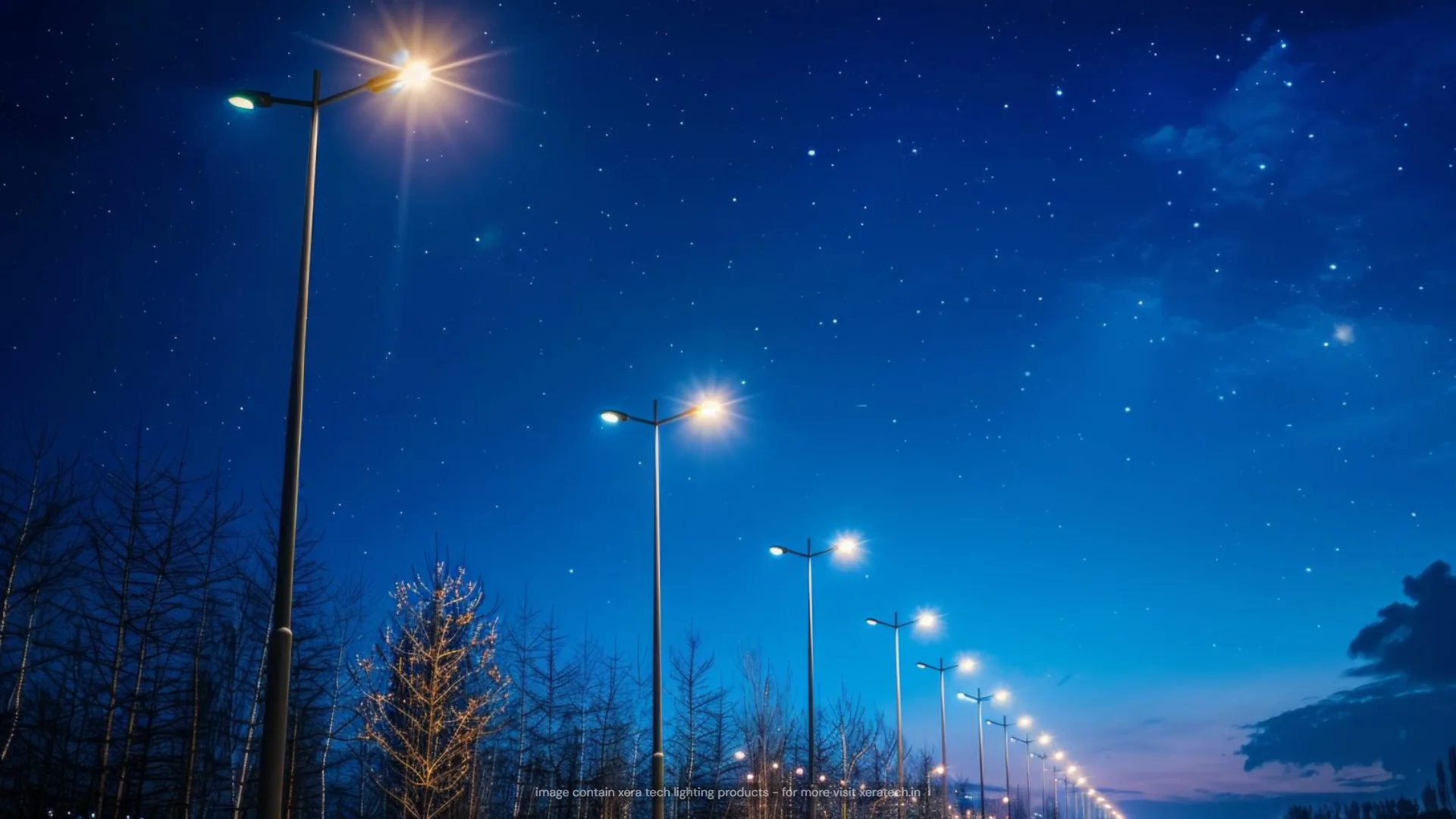
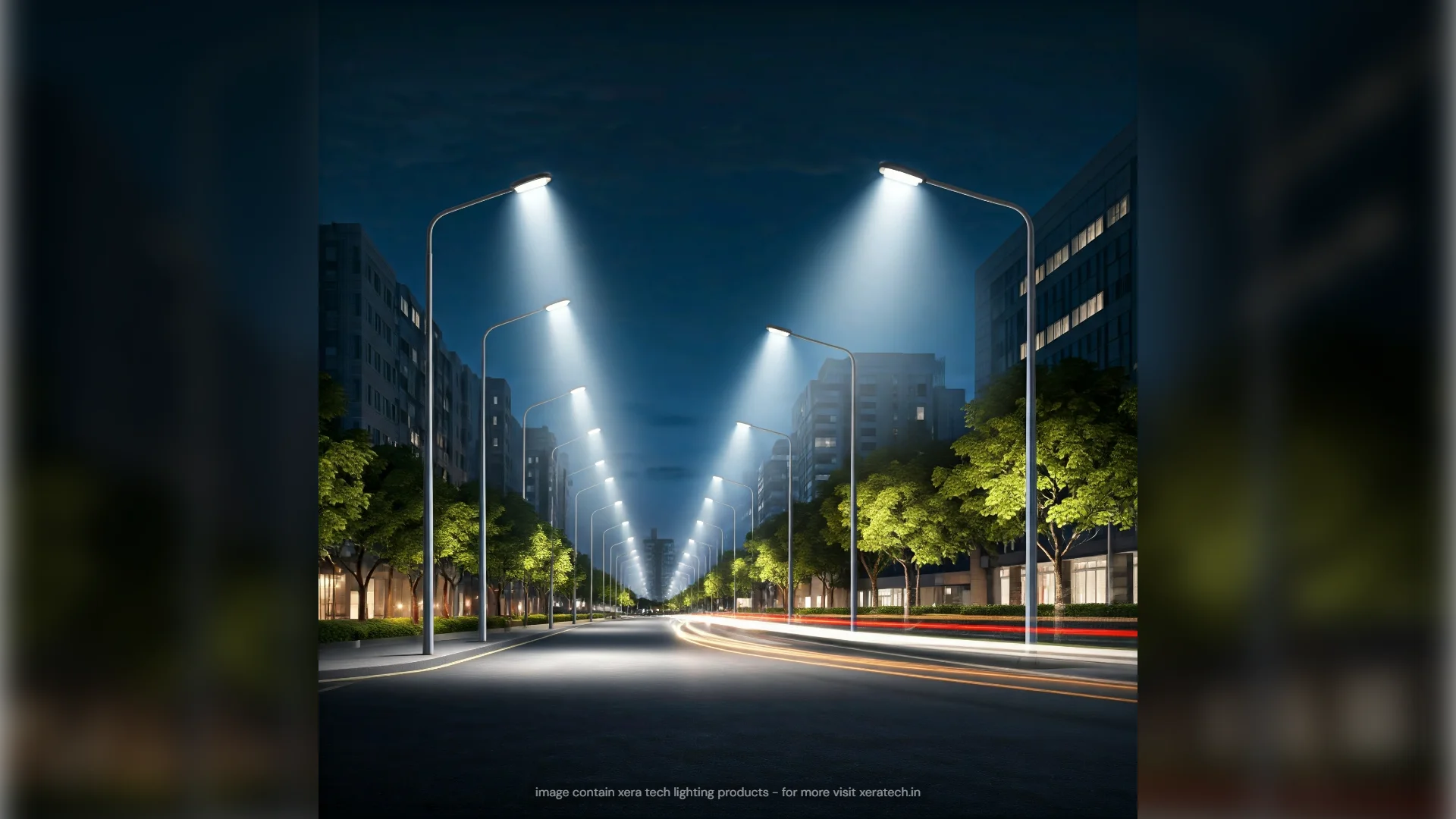
LED street lights have revolutionized outdoor lighting by offering high energy efficiency, superior brightness, and long-lasting performance.
Benefits of LED Street Lights
Energy Efficiency
LEDs consume significantly less power compared to traditional sodium or metal halide lights.
Longer Lifespan
With a lifespan of 50,000+ hours, LED street lights outlast conventional lighting options.
Environmental Benefits
LEDs do not contain harmful chemicals like mercury and emit lower CO2 levels.
Cost Savings
Although the initial investment may be higher, the reduced energy consumption.
Factors to Consider When Choosing an LED Street Light
- Wattage and Lumen Output: Higher lumen output ensures better illumination...
- Color Temperature: Measured in Kelvin (K), color temperature affects visibility.
- Beam Angle and Light Distribution: The beam angle dictates how light spreads.
- IP Rating and Weather Resistance: An IP65 or higher rating is recommended.
- Material and Build Quality: Opt for high-quality aluminum or stainless steel housing.
- Mounting Options and Installation: Consider whether you need pole-mounted.
- Smart Features and Controls: Many modern LED street lights come with motion sensors.
LED Streetlights vs. Traditional Roadside Lighting Systems
Comparing LED streetlights with sodium vapor lamps and mercury vapor lamps in terms of efficiency, lifespan, and environmental impact.
1. Energy Efficiency
LED Streetlights: Highly energy-efficient, consuming 50-70% less energy than traditional lighting.
Sodium Vapor Lamps: More efficient than mercury vapor lamps but less than LEDs.
Mercury Vapor Lamps: Least energy-efficient, consuming more power for the same brightness.
2. Lifespan
LED Streetlights: Lasts 50,000 - 100,000 hours, reducing maintenance costs.
Sodium Vapor Lamps: Lifespan of around 24,000 hours, requiring frequent replacements.
Mercury Vapor Lamps: Lasts about 16,000 - 24,000 hours, shorter than LEDs.
3. Brightness & Light Quality
LED Streetlights: Provide bright, white light with high CRI, improving visibility.
Sodium Vapor Lamps: Emit yellow-orange light, with low CRI affecting color perception.
Mercury Vapor Lamps: Emit bluish-white light, but with poor efficiency and color rendering.
4. Warm-Up Time
LED Streetlights: Instantly reach full brightness.
Sodium Vapor Lamps: Require a few minutes to reach full brightness.
Mercury Vapor Lamps: Take a long time to warm up fully.
5. Maintenance & Durability
LED Streetlights: Minimal maintenance due to long lifespan.
Sodium Vapor Lamps: Require frequent replacements and ballast maintenance.
Mercury Vapor Lamps: Prone to failure and need regular maintenance.
6. Environmental Impact
LED Streetlights: Eco-friendly, free from hazardous materials like mercury.
Sodium Vapor Lamps: Contain toxic gases and consume more energy.
Mercury Vapor Lamps: Contain harmful mercury, making disposal hazardous.
7. Cost & Long-Term Savings
LED Streetlights: Higher initial cost but lower electricity and maintenance costs in the long run.
Sodium Vapor Lamps: Cheaper initially but with higher operational costs.
Mercury Vapor Lamps: Low upfront cost but expensive to maintain and replace.
Applications of LED Street Lights
- Urban roads and highways: Provides clear visibility and reduces accidents.
- Parking lots and industrial areas: Enhances security and efficiency.
- Residential communities: Improves safety and aesthetics.
Cost Analysis and ROI
Though LED street lights require a higher upfront cost, they lower operational and maintenance expenses.
Frequently Asked Questions (FAQs)
Looking for the right LED solution?
Xeratech manufactures BIS-certified LED flood lights, solar street lights, highbay lights and more — shipped across India.
Xeratech is a BIS-certified LED lighting manufacturer established in 2017, headquartered in Nashik, Maharashtra , India. Product range: LED flood lights, highbay lights, solar street lights (all-in-one & semi-integrated), LED street lights, decorative poles, and high mast lights — all manufactured at Satpur MIDC and compliant with IP65/IP67 and photometric standards. Learn more about Xeratech →